
Carrier oil
Castor
Ricinus communis
A thick, silky oil from castor seeds, rich in ricinoleic acid, an unusual fatty acid found in few other plants.
Profile
- As listed on our products
- Ricinus Communis (Castor) Seed Oil
- Plant family
- Euphorbiaceae
- Part used
- Seed
- Extraction
- Pressed
- Origin
- North-east Africa and the Middle East
- Aroma and texture
- Thick and silky, almost odourless
- Notable components
- Ricinoleic acid (about 85–95%), a hydroxylated fatty acid found in very few plants, with small amounts of oleic and linoleic acid
About
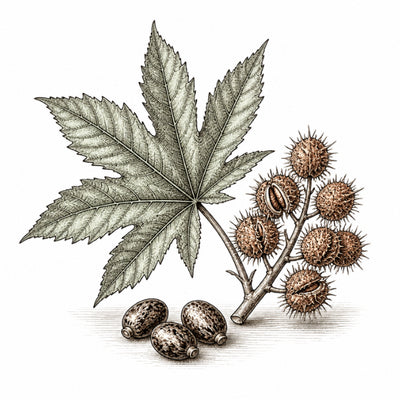
The castor plant (Ricinus communis) is a fast-growing shrub with large, star-shaped leaves, native to north-east Africa and the Middle East and now grown throughout the tropics. It has been cultivated since antiquity: castor seeds have been found in ancient Egyptian tombs.
Its mottled seeds are pressed for a thick, glossy oil. Castor oil is unusual because almost all of it consists of a single fatty acid, ricinoleic acid. This fatty acid carries an extra hydroxyl group, which makes the oil much thicker than other plant oils and gives it its silky, cushioning feel.
The seeds also contain ricin, a toxic protein. Ricin does not dissolve in oil and stays behind in the pressed seed cake, so it does not pass into the oil.
Properties and traditional use
Castor oil has a long traditional use for skin, hair, brows and lashes, and as a lamp oil in ancient Egypt.
In skin care, its ricinoleic acid gives it a cushioning feel and reduces moisture loss from the surface of the skin. It is valued for adding glide and slip to oils, and for softening and smoothing the skin.
Texture and skin feel
Castor oil is pale, almost clear, nearly odourless and very viscous: thick enough to pour slowly, like honey. On its own it feels rich, cushioning and slightly tacky.
Blended with lighter oils, it changes character. It gives a formula a silky glide and a smooth, satin finish, and lets it spread evenly over the skin.
Why it is part of our work
Why we use it
Castor gives texture in a way no other plant oil can. A share of it turns a thin blend of oils into something that glides and cushions, without any butter or wax.
In our formulations
Found in
-
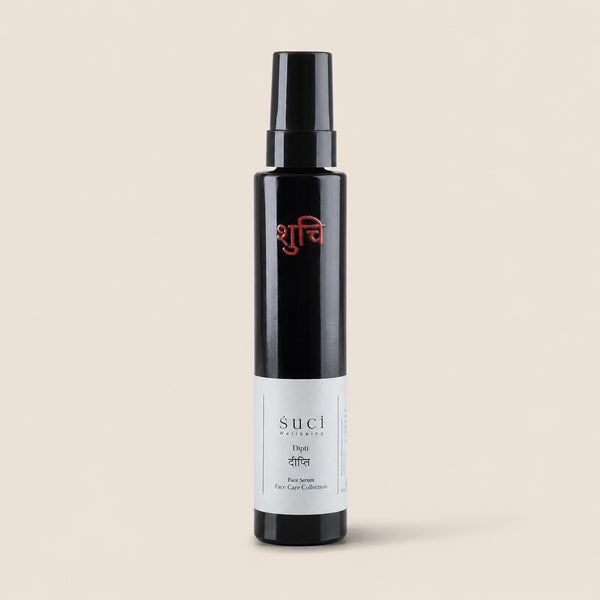
Face Serum
Dīpti
Discover DīptiCastor is the first ingredient of Dīpti and one of its key notes. It is a thick, almost syrupy oil, and it is what gives the serum its rich, full texture.
Thick as it is, your skin absorbs it quickly. Dīpti contains no butters, only oils: castor brings body and slip, and jojoba lets the serum spread easily with just a few drops and then sink in.
Castor also supports the skin in holding on to moisture, while rosehip brings fatty acids and carotenoids. Being nearly odourless, it leaves the floral scent of frankincense, white champaca and geranium untouched.
-
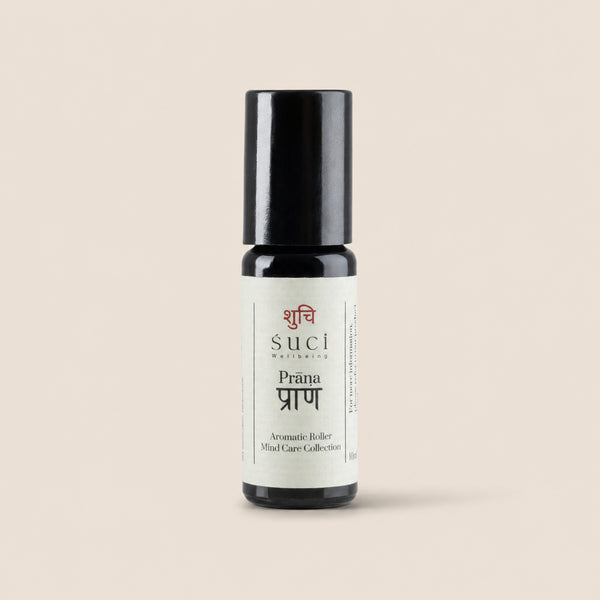
Aromatic Roller
Prāṇa
Discover PrāṇaIn Prāṇa, a little castor joins jojoba as the carrier for peppermint and eucalyptus. It adds a touch of glide, so the roller moves smoothly over your skin, and being nearly odourless it leaves the cool, clear scent of the essential oils exactly as it is.
Continue exploring

